

Not all boxing gloves are the same—and using the wrong type can affect both your performance and safety.
Different gloves are designed for different types of training, from general workouts to sparring and heavy bag sessions. While they may look similar, the padding, shape, and purpose can vary quite a bit.
In this guide, we’ll break down the main types of boxing gloves so you can understand what each one is for and choose the right pair for your training.
Key Takeaways
-
There are four core glove types: training gloves, bag gloves, sparring gloves, and competition gloves, each designed for specific purposes
-
Adult boxing gloves typically range from 8oz to 18oz, with weight indicating padding volume rather than fist size
-
Most beginners can start with one pair of 12–16oz training gloves for general use
-
Sparring should be done with 14–18oz gloves to protect both you and your training partner
-
Competition gloves are lighter and designed for fights, not everyday training
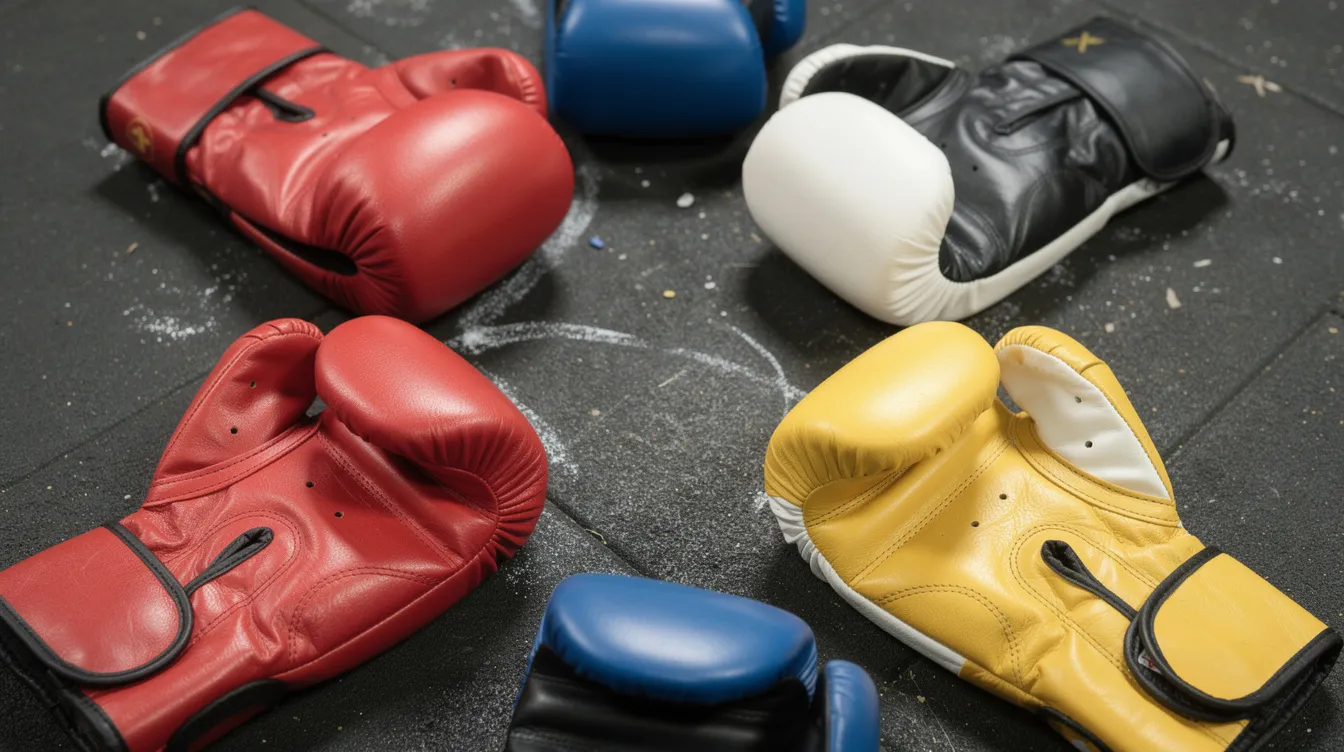
Main Types of Boxing Gloves
The four main types of boxing gloves—training, bag, sparring, and competition—may look similar, but they differ in padding, feel, and how they’re used.
-
Most boxers end up owning at least two types (one for bags and pads, one for sparring)
-
Each type serves a distinct purpose in combat sports training
-
Specialised options like Muay Thai, kickboxing, and MMA gloves will be covered later
Training Gloves (All-Round Gloves)
Training gloves are the most versatile option, designed for everyday training activities: pad work, light bag work, conditioning drills, and occasional technical sparring. Many boxers simply call these their “boxing gloves.”
The typical weight range for adults is 10oz to 16oz, with 12oz to 14oz being the sweet spot for general use. Heavier individuals or those wanting more protection often choose 16oz.
Key features include:
-
Balanced foam padding over the knuckle area
-
Good wrist support to prevent injuries
-
Hook and loop closure (Velcro) for quick on and off in busy classes
-
Ergonomic fit for proper hand alignment
Training boxing gloves suit beginner boxers buying their first pair, fitness enthusiasts, and anyone doing mixed sessions without hard sparring.

Venum Contender 1.5 XT 3D Boxing Gloves
View Product
Venum Challenger 3.0 Boxing Gloves
View ProductSee our beginner boxing gloves guide for specific recommendations.
Bag Gloves (Heavy Bag & Pad Work)
Bag gloves are designed specifically for heavy bag training, pad work, and high-repetition sessions. They use firmer padding to handle repeated impact and give better punch feedback.
Compared to training gloves, they feel more compact and responsive, helping you develop cleaner technique and better knuckle alignment.
Modern bag gloves are very different from older “bag mitts,” which had minimal padding and wrist support. These older designs are not recommended for beginners due to the higher risk of injury.
Most bag gloves range from 10oz to 16oz, with some boxers choosing slightly lighter gloves for more speed and sharper punches.
Key features:
-
Firmer, more compact padding
-
Better feedback on impact
-
Built for durability during heavy use
Best for: Heavy bag training, pad work, and high-volume sessions—especially for those doing frequent or power-based training
Not recommended for sparring due to firmer padding.

Rival RB7 Fitness Plus Bag Gloves
View ProductSparring Gloves (Partner Work)
Sparring gloves keep both you and your sparring partner safer. They use softer padding with more generous distribution that spreads impact across a wider area.
Most sparring gloves range from 14oz to 18oz, with 16oz being the standard for most adults.
-
16oz is commonly used for general sparring
-
14oz commonly used by lighter boxers and some women
-
Heavier gloves for larger fighters or those doing hard sparring
Sparring gloves have thicker, softer padding with a more rounded shape to help absorb impact and reduce the risk of cuts and bruising during training.
Many coaches recommend using dedicated sparring gloves that are never used on the heavy bag. Bag work can compress the padding over time, making the gloves less safe for your training partner.
Best for: anyone doing controlled sparring rounds, amateur boxers preparing for competition, and Muay Thai or kickboxing athletes who regularly work with training partners.

Rival RS80V Impulse Sparring Gloves
View ProductCompetition Gloves (Fight Gloves)
Competition gloves are lighter and more compact, designed specifically for fights. They prioritise speed, accuracy, and power over long-term comfort.
Adult fight gloves are commonly:
-
8oz or 10oz in professional boxing
-
10oz or 12oz in amateur bouts (depending on weight class and rules)
-
Similar ranges are used in Muay Thai and K1
Professional competition gloves use firmer, minimal padding for better punch feedback. Most are lace-up for a secure, tight fit.
In amateur boxing under IBA (International Boxing Association) rules, gloves are event-supplied and must meet approved standards. These gloves often use velcro closures and may come in specific colours (typically red or blue) for scoring.

Sting IBA Competition Boxing Gloves
View ProductThese gloves are not designed for everyday training. The lighter weight and firmer padding increase stress on your hands and can be unsafe for partner work.
Best for: active competitors preparing for fights and advanced boxers who already own separate training and sparring gloves.
Specialised & Sport-Specific Boxing Gloves
Beyond the four main types, specialised gloves are designed for specific combat sports or personal preferences. These usually become relevant once you have more experience or train in a specific discipline.
Common specialised types include:
These details matter more once you have some experience and want boxing equipment that matches your specific discipline.
Muay Thai Gloves
Muay Thai gloves are designed for Thai boxing, where clinching, catching kicks, and blocking are part of training.
They typically have a more rounded shape, with extra padding across the back of the hand and a slightly more flexible wrist. This design makes them better suited for clinch work and defensive techniques.
Brands like Fairtex, Twins Special, and Sandee produce classic Muay Thai gloves that are widely used in UK and European gyms. These gloves also work well for Western boxing training, especially for those who cross-train between different combat sports.
Best for: Muay Thai, K1, and kickboxing athletes, or anyone who prefers a more flexible glove
Kickboxing Gloves
Kickboxing gloves are very similar to standard boxing gloves but are often designed with slightly more flexibility to support defensive movements like blocking kicks.
In many gyms, standard boxing or Muay Thai gloves are commonly used for kickboxing training depending on the style.
Best for: Kickboxing training and hybrid striking workouts
MMA Gloves
MMA gloves are lighter and have open fingers, allowing grappling, clinching, and submissions. They offer less padding than boxing gloves and are designed for mixed martial arts rather than traditional boxing.
Because of the reduced padding, they provide less protection for heavy bag work and are not suitable for boxing sparring.
Best for: MMA training, grappling transitions, and mixed striking sessions
Comparison Table: Training vs Bag vs Sparring vs Competition Gloves
This table summarises the key differences between the four main glove types:
How to Choose the Right Type of Boxing Gloves for You
Selecting the right boxing glove depends on your training goals and experience level.
Boxing for fitness only: One pair of 12-14oz training gloves covers most needs. Focus on comfort and wrist support.
Beginner planning to spar in 6-12 months: Start with training gloves, then add dedicated 14-16oz sparring gloves before your first sparring sessions.
Heavy bag focused training: Consider adding dedicated bag gloves for better durability and punch feedback, especially if you train frequently on the bag.
Amateur or white-collar competitor: You’ll need training gloves, separate sparring gloves, and eventually competition gloves matching your weight class requirements.

Glove Weight, Padding & Safety Basics
Glove weight in ounces roughly correlates with padding volume. Heavier gloves offer more hand protection but reduce speed.
Typical ranges:
-
6oz–10oz for youth or competition
-
10oz–14oz for general training
-
14oz–18oz for sparring (well padded for safety)
For more detail, see our boxing glove size guide to match your bodyweight with the right boxing glove size.
Padding density varies by purpose: softer padding in sparring gloves for mutual safety, firmer padding in bag and competition gloves for feedback and power transfer.
Hand wraps remain essential under any glove type. They stabilise the wrist and small hand bones, especially during bag work. Studies suggest unwrapped hands face significantly higher fracture risks.
Safety reminder: never use thin competition gloves for hard sparring. Retire any glove whose padding has become flat, lumpy, or uneven. Signs of worn protective gear include persistent odour and reduced wrist support.
When and How to Add Extra Glove Types to Your Kit
As training frequency increases, many boxers progress from one all-round glove to a small collection.
Simple progression path:
-
First pair: all-round training gloves (12-16oz)
-
Second pair: dedicated sparring gloves (14-16oz)
-
Third pair (optional): dedicated bag gloves
-
Fourth pair (competitors): lace-up fight gloves matching local rules
Listen to your coach. Many gyms specify minimum sparring weights and may suggest particular styles depending on your weight division and level.
Related Guides
FAQ
Can I use one pair of gloves for bags, pads, and sparring?
Beginners training once or twice weekly can often start with one pair of 12-16oz training gloves. However, avoid hard sparring until your coach approves your skill level. Once regular sparring begins, dedicated sparring gloves (usually 14-16oz) are strongly recommended. This protects your sparring partner and keeps padding soft. Most boxers who train seriously separate their bag and sparring gloves. Competition gloves should never double as everyday training gloves due to their less padding and stiffer construction.
How long should a good pair of boxing gloves last?
Lifespan depends on training frequency, glove quality, and usage type. A solid pair used 2-3 times weekly for mixed training typically lasts 12-24 months. Heavy bag specialists training 5-6 days weekly may see knuckle padding compress faster, replacing bag gloves every 6-18 months. Signs it’s time to replace: flat or lumpy padding, torn lining, persistent smell despite cleaning, or wrist injuries from reduced support. Quality leather gloves from established boxing glove brands generally outlast cheaper alternatives.
Are boxing and MMA gloves interchangeable?
MMA gloves are much lighter (4-6oz) with open fingers and minimal padding, making them unsuitable for boxing or Muay Thai bag and sparring work. Boxing gloves provide significantly more protection for the wrists and knuckles during high-volume punching. Mixed martial arts athletes who also box should own separate gloves for each discipline. For pure boxing or cardio classes, standard boxing training gloves are all you need.
What ounce gloves should a beginner buy?
Most adult beginners between 60-80kg start with 12-14oz training gloves. Lighter individuals sometimes choose 10-12oz, while heavier boxers often go up to 14-16oz for more protection. The right boxing glove size also depends on whether you’re focused on fitness, bag work, or future sparring.
Do I really need hand wraps under my boxing gloves?
Hand wraps are strongly recommended under all glove types. They stabilise the wrist, knuckles, and small hand bones, especially during bag and pad work. Even the best boxing gloves with excellent wrist support cannot fully protect poorly wrapped hands when fatigue causes technique breakdowns. Learn a simple traditional wrapping method and ask your coach to check your wraps before intense sessions. Good wraps also absorb sweat, keeping glove interiors cleaner and extending their usable life.